Menu

For generations, American farmers have faced the same challenge: finding ways to stay on the land when margins are thin and costs keep rising. Today, one of the tools helping many farmers do exactly that is solar energy.
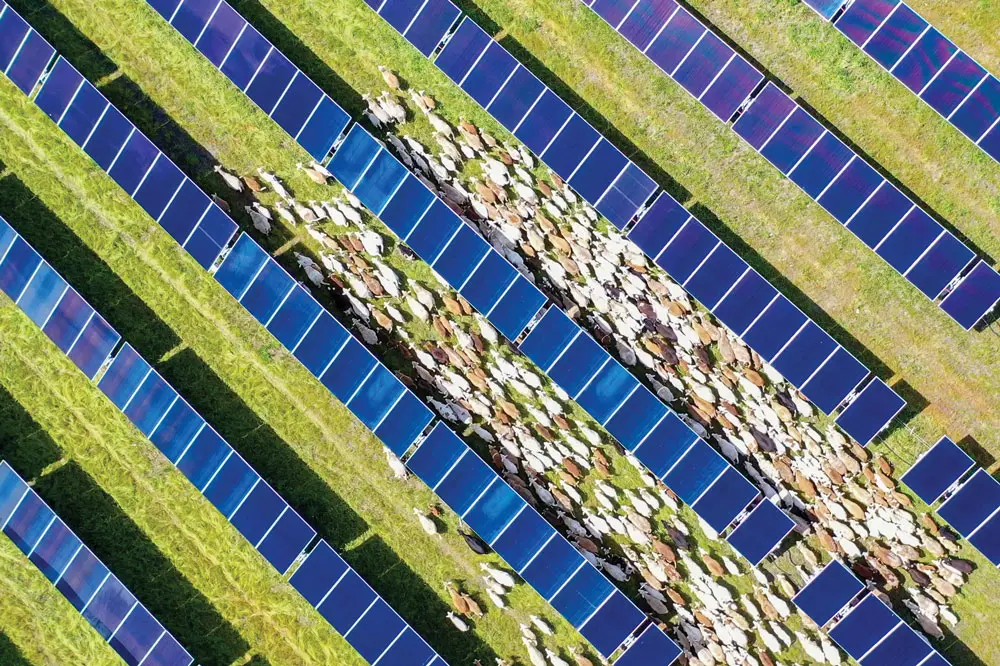
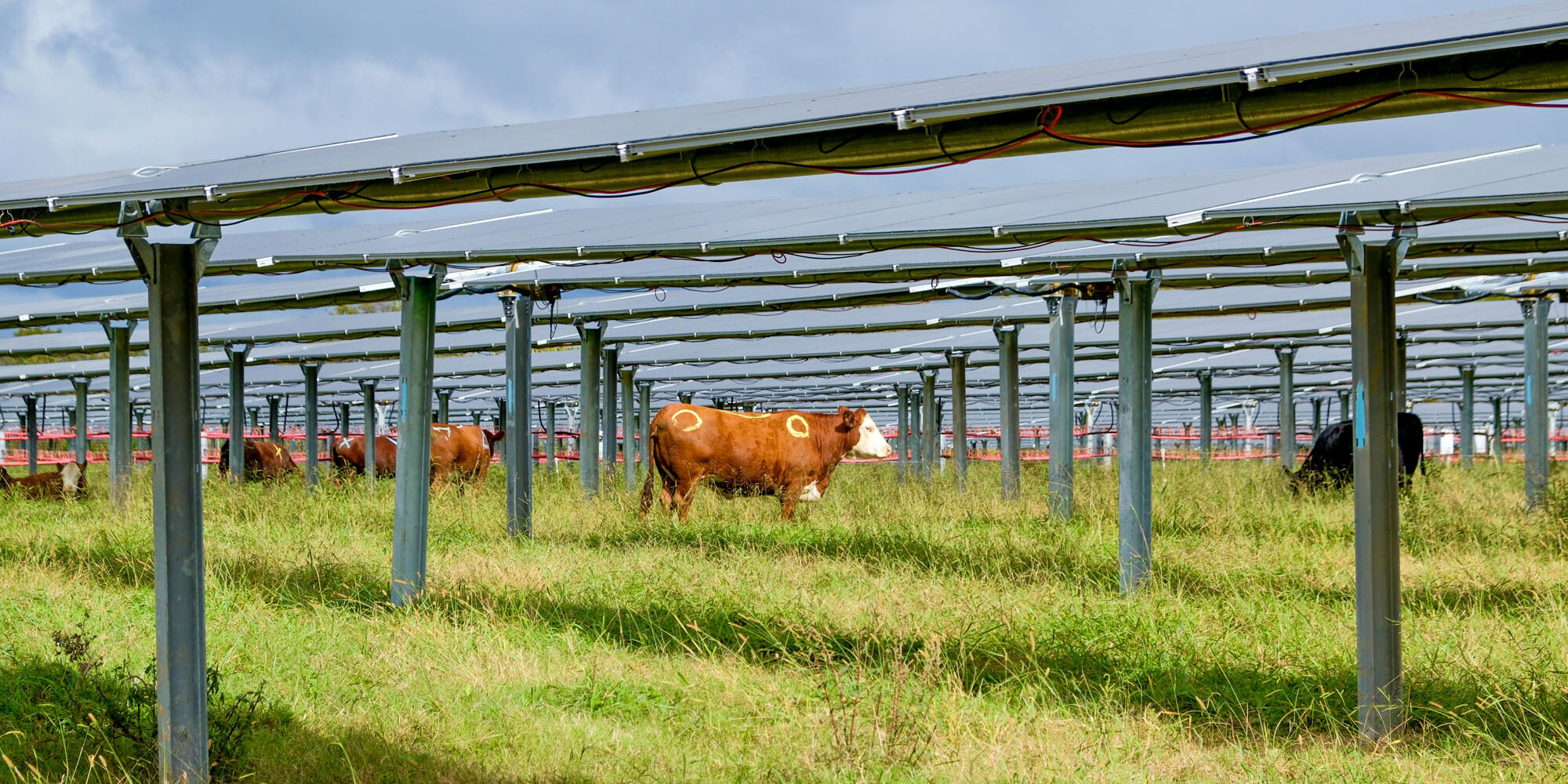
Whether it's rooftop solar on a dairy barn, agrivoltaics that allow crops and livestock to coexist with energy production, or utility-scale projects that provide an additional source of income, solar has become an important economic lifeline for many rural communities. Lower electricity bills and diversified revenue streams can mean the difference between keeping a family farm in operation and selling it off, stories we are hearing time and time again.
That's why Congress should be careful not to adopt policies that unnecessarily limit farmers' ability to access solar opportunities.
The House-passed farm bill contains provisions that would restrict USDA financial assistance for certain ground-mounted solar projects on agricultural land. While the goal of preserving productive farmland is understandable, the language risks sweeping too broadly and creating uncertainty for farmers pursuing responsible solar development, including agrivoltaic projects that allow agricultural production and energy generation to occur on the same land.
Farmers should have access to every available tool to remain competitive and financially resilient. Solar is one of those tools.
At the same time, Congress gets something important right in the bill: ensuring taxpayer dollars do not support supply chains tied to foreign entities of concern (FEOC), namely China. Too often, the debate around solar policy is framed as a choice between affordable energy and domestic manufacturing. That is a false choice.
Unfortunately, some of the discussion surrounding FEOC restrictions has been driven by outdated assumptions about America's solar supply chain. Critics frequently suggest that requiring federally supported projects to avoid Chinese-controlled supply chains amounts to a de facto restriction on solar deployment. That argument ignores the remarkable growth of domestic solar manufacturing over the last several years and assumes that dependence on Chinese products is both permanent and unavoidable.
The reality is that America is rebuilding its solar manufacturing base at a pace few would have predicted just a decade ago. Federal policy should accelerate that progress, not subsidize continued dependence on foreign competitors.
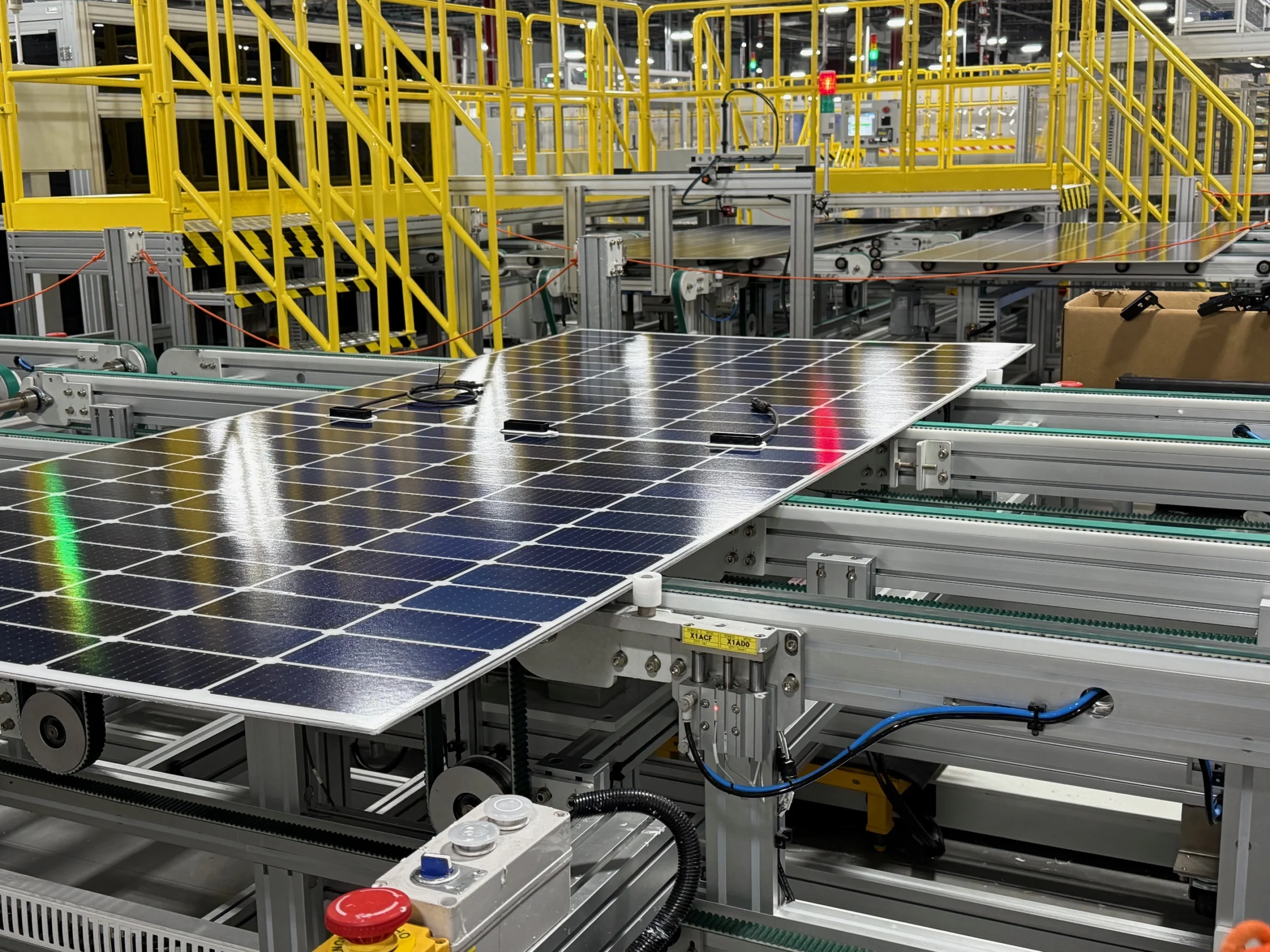
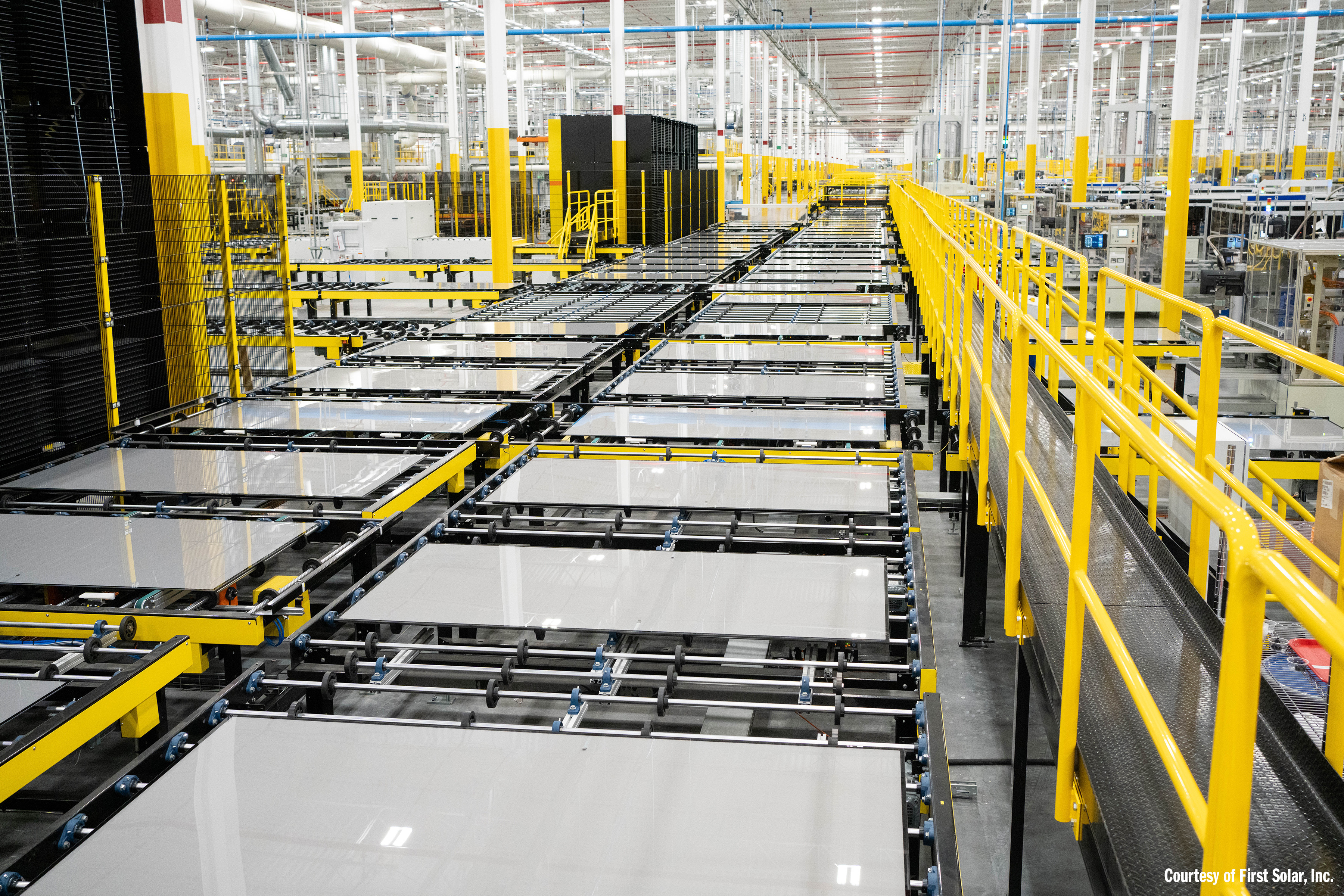
The United States, led by the membership of the Solar Energy Manufacturers for America (SEMA) Coalition, has spent the last several years rebuilding a domestic solar manufacturing industry after decades of dependence on overseas production. New factories are producing solar modules, cells, wafers, and polysilicon in communities across the country, creating thousands of jobs and billions of dollars in investment.
Many of these facilities are located in rural areas that have struggled to attract new economic opportunities. Companies like First Solar are manufacturing panels in Ohio, Alabama, and Louisiana that are helping power projects nationwide, including agrivoltaic projects in their partnership with Silicon Ranch that allow energy production and agricultural operations to coexist. This is not a theoretical supply chain of the future, American-made solar products are already helping strengthen rural economies while supporting American energy production today.
If solar can help keep American farms in American hands, Congress should ensure that the equipment powering those projects increasingly comes from American factories as well. Federal policy should support a future where farmers have access to affordable, reliable solar technologies manufactured by American workers, not one where taxpayer dollars deepen dependence on foreign competitors.
The question policymakers should ask is simple: If taxpayer dollars are helping fund energy projects, should those dollars support American workers and American manufacturing, or should they reinforce dependence on foreign competitors? This debate is particularly relevant when it comes to China.
In recent years, lawmakers from both parties have raised concerns about Chinese ownership of American farmland. The reasoning is straightforward: farmland is a strategic national asset tied to food security, economic security, and national security.
The same logic should apply to the energy infrastructure increasingly being built on that land. While owning farmland and supplying solar equipment are not equivalent, both debates are rooted in a common concern: excessive dependence on strategic assets controlled by geopolitical competitors. If policymakers believe America's farmland is too important to be controlled by foreign adversaries, they should also recognize the risks of allowing those same adversaries to dominate the supply chains behind America's fastest growing energy source.
As solar becomes an increasingly important part of rural America's economy, the question is not simply where projects are built, but who controls the technologies and supply chains that make them possible.
Congress should not ignore that reality. The answer, however, is not to make it harder for farmers to deploy solar. Instead, we should make it easier for farmers to deploy American-made solar. A better approach would preserve strong foreign entity of concern safeguards while revising provisions that unnecessarily restrict farmer-led solar projects. Congress can protect farmland, support agrivoltaics, strengthen domestic manufacturing, and reduce dependence on China at the same time.
Rural America should not be forced to choose between keeping farms afloat and supporting American manufacturing. We can do both. The farm bill presents an opportunity to advance a vision of American agriculture that is more resilient, more competitive, and more energy secure. Congress should take that opportunity by empowering farmers while ensuring taxpayer dollars help build the domestic industries that will power America's future.
Dylan Kezele is the Policy Manager for the Solar Energy Manufacturers for America (SEMA) Coalition