Menu

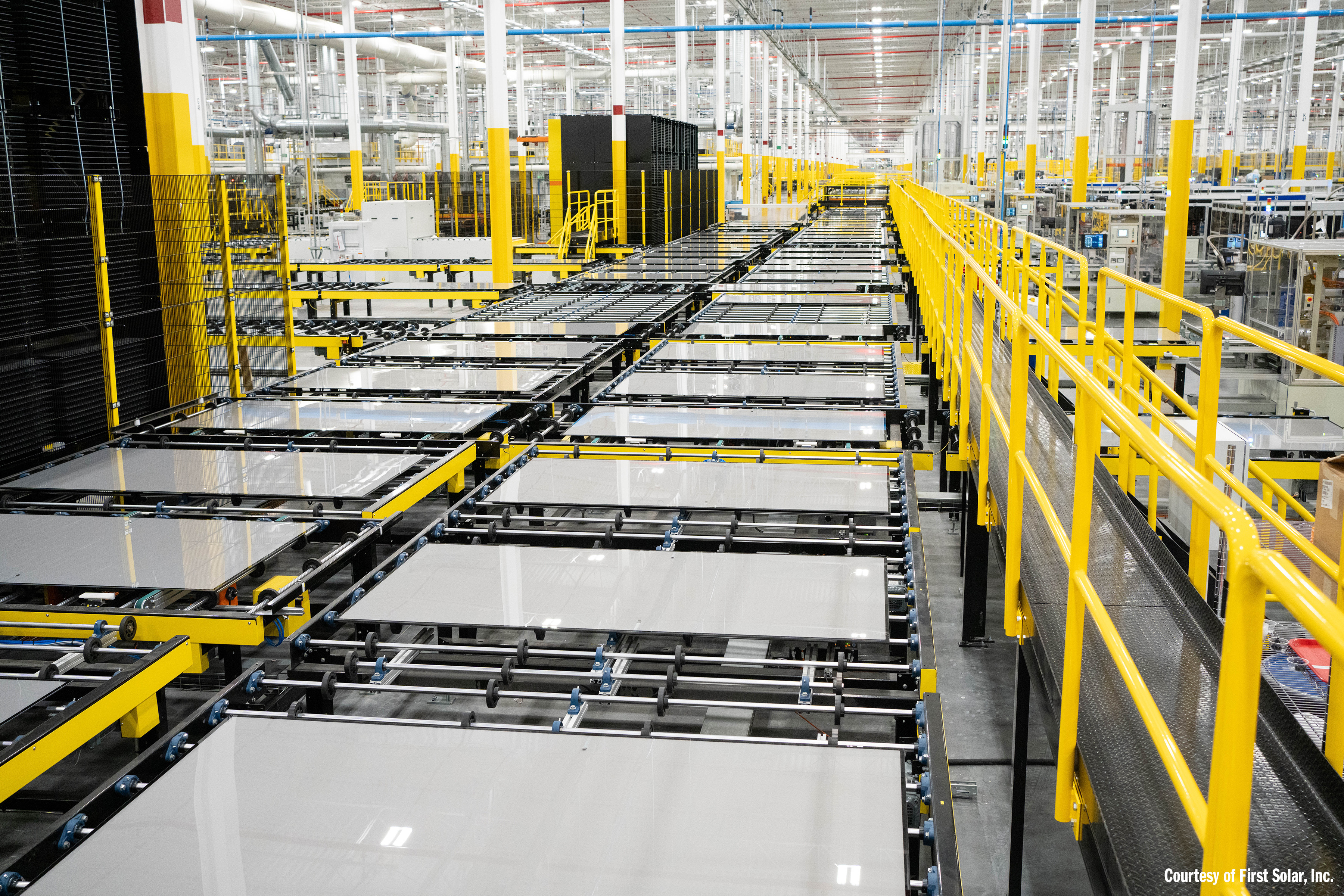
A few years ago, there was not much of an American solar manufacturing supply chain to talk about. The United States installed solar, but we relied almost exclusively on other countries to make the products going into these projects. That dynamic has started to shift as new factories have opened across the country, domestic module production has grown rapidly, and companies are now investing in parts of the supply chain that had largely disappeared. We have moved from asking whether America can rebuild solar manufacturing to figuring out what it will take to keep that industry here and help it keep growing.
Answering that question matters even more as the country looks for ways to meet growing electricity demand. Everyone knows we need more power in this country, but the opportunity here is much bigger than simply adding more electricity to the grid. We can build more of the products that power America right here.
Released last month, The SEEC Institute’s Thriving Economy Project tries to answer that question: where we go next. Deploying more energy and manufacturing more of the technologies that produce it in the United States should reinforce one another. The policies that help us build more energy can also create demand for American factories, strengthen supply chains, and support the next generation of energy technologies. The Solar Energy Manufacturers for America (SEMA) Coalition has already started that work. Four areas highlighted in the Thriving Economy Project will be especially important to building on that progress:
Building a solar factory in the United States is a long-term bet that needs to be matched. A new cell or wafer facility can cost hundreds of millions of dollars, require specialized equipment, and take years to pay off. Companies will make those investments here, but they need to know the economics will still work after the factory is built.
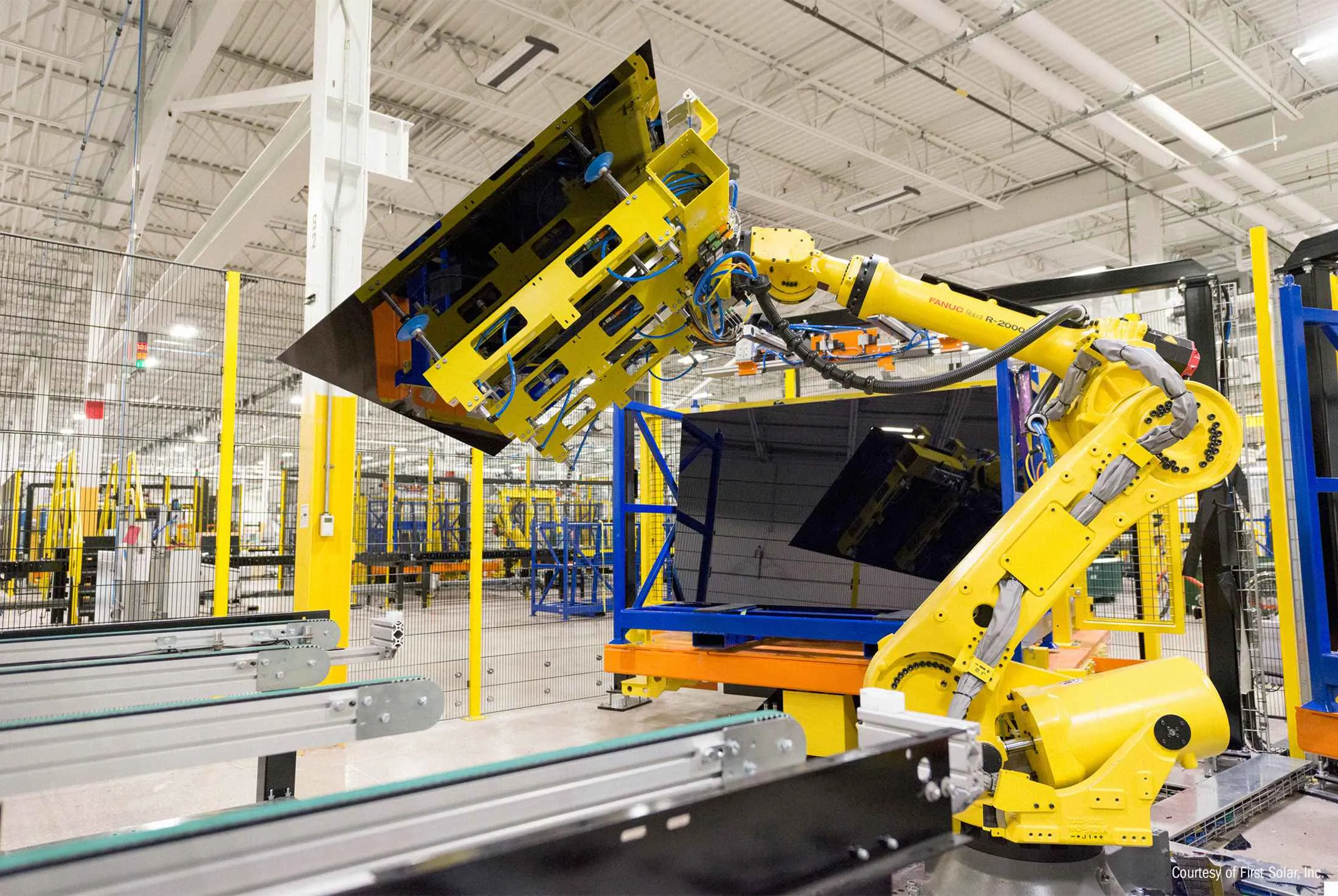
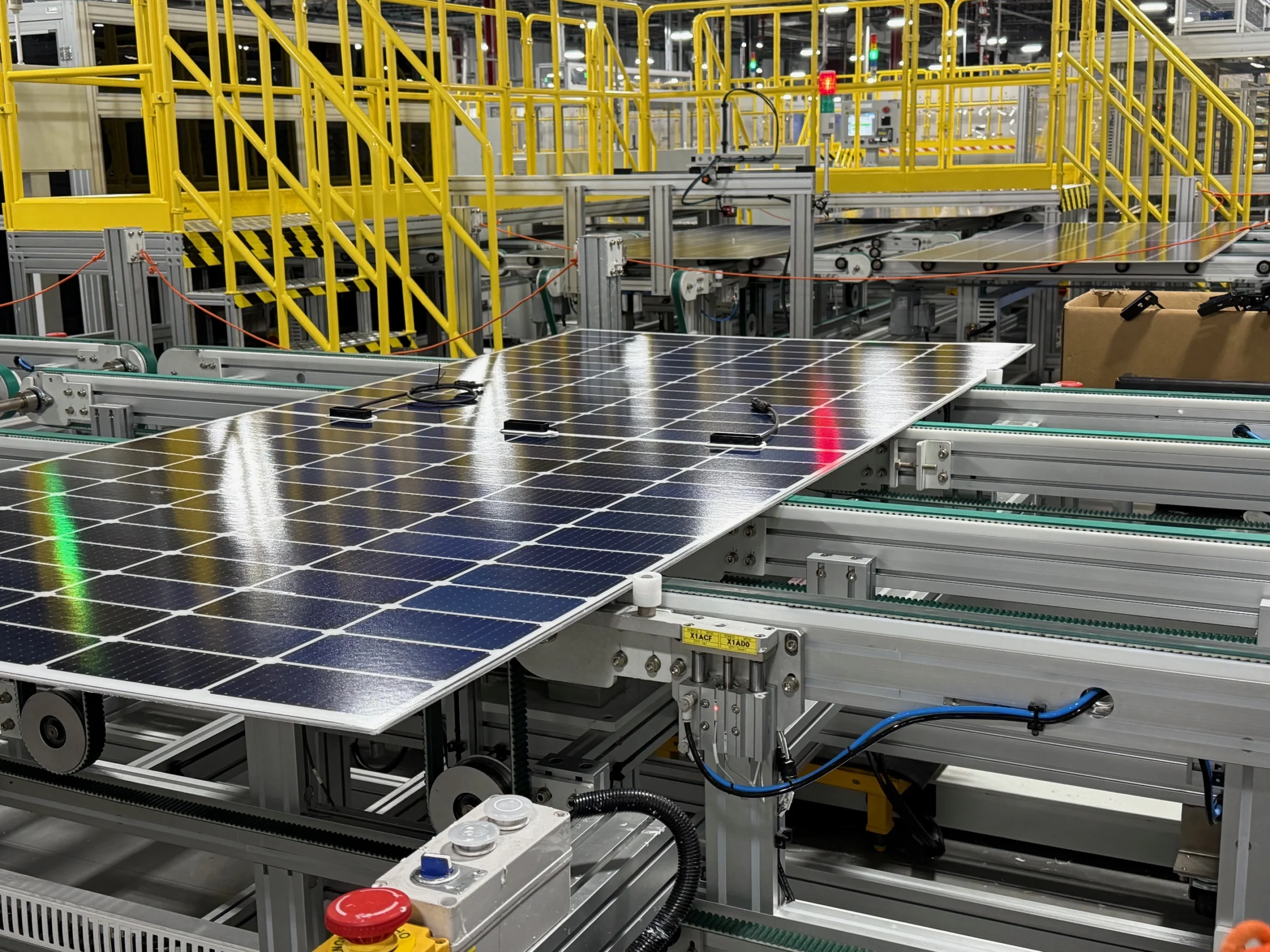
That is where the Section 45X Advanced Manufacturing Production Credit has made a difference. Earlier this year, the United States crossed 100 gigawatts of total domestic solar module production, with more than 70 percent of it produced since the Inflation Reduction Act became law in 2022. But much of that growth has been concentrated at the final stage of the supply chain. The United States now has more than 66 gigawatts of annual module manufacturing capacity, compared with just over 11 gigawatts of solar cell capacity and only 5.3 gigawatts of ingot and wafer capacity. That gap matters and should be the next logical place for investment.
The Thriving Economy Project calls for continued support and extension for 45X, and that support will be especially important as the industry moves into these harder-to-build parts of the supply chain. 45X gives companies a reason to make those investments here and the certainty to keep investing as the industry grows, but building a factory is only half of the equation.
Building American factories only works if someone buys what they make. That simple understanding of supply and demand is becoming more important as new solar manufacturing capacity comes online. Companies have invested billions of dollars to build and expand facilities throughout the United States, and those factories need a market for their products.
The Thriving Economy Project makes that connection. It calls for a strong Domestic Content Bonus under the Section 48E Clean Electricity Investment Credit, giving developers an incentive to buy American-made products – products already being made here today. That recommendation comes at an important moment, as that demand pull is now gone: the One Big Beautiful Bill Act accelerated the termination of 48E for solar, removing the major incentive to buy domestic products just as more American solar manufacturing comes online.
Congress should restore a strong domestic content incentive for energy projects and design it to pull more of the solar supply chain into the United States. As American capacity grows, the incentive should increasingly reward projects using domestically manufactured cells, wafers, glass, inverters, and other components. This incentive not only supports domestic manufacturing, but also helps reduce ratepayer costs by passing along savings to ratepayers.
Members of the SEMA Coalition have spent the past several years building up the American solar supply chain. The next step is ensuring a durable American market for it.
Even the best incentives will only go so far if American manufacturers are competing on an uneven playing field. China still dominates much of the global solar supply chain, particularly in the upstream segments the United States is trying to rebuild. Chinese companies produced 97 percent of the world’s crystalline-silicon solar cells between 2020 and 2025, while critical inputs such as metallization paste are also overwhelmingly produced by Chinese suppliers.
That level of concentration gives Chinese producers enormous influence over global supply and pricing, creating cartel-like power in parts of the solar supply chain. American companies need to know that the investments they make here will not be undermined by unfairly traded or heavily subsidized imports. We have tools to address those problems, including antidumping and countervailing duties, Section 201 safeguards, and, more recently, Section 232 investigations. However, administrations change, supply chains shift, companies adapt, and so must the trade policies that come with it.
The Thriving Economy Project calls for a comprehensive review of our existing trade tools and a clearer federal framework for using trade enforcement to strengthen strategic clean energy supply chains. Trade policy cannot replace a manufacturing strategy, but it has to be part of one. 45X helps companies make things here, domestic-content policies give developers a reason to buy them, and strong, predictable trade enforcement gives those investments a fair chance to succeed.
Rebuilding the solar supply chain cannot just mean manufacturing more of the technology available today. We should also work to ensure the next generation of solar technology is developed, demonstrated, and ultimately manufactured here.
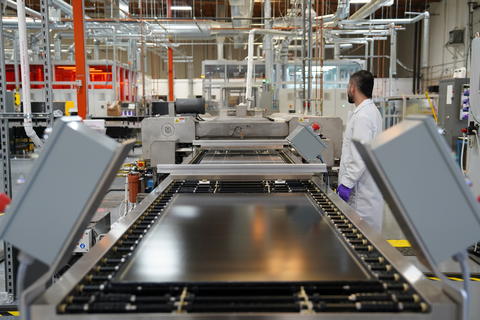
The Thriving Economy Project specifically identifies tandem and perovskite-based solar as next-generation technologies that should receive support for large-scale demonstrations. These technologies could push solar performance beyond what is possible with conventional silicon cells. But moving from a successful laboratory result to a product that can be manufactured at commercial scale is a very different challenge, and promising technologies too often get stuck there. Next-generation solar technologies have moved beyond basic research, but they are still struggling to attract the financing needed for commercial-scale manufacturing. The Project proposes milestone-based demonstration funding and support for field validation, manufacturing readiness, and first-of-a-kind facilities to help bridge that gap.
Those programs should have a clear goal: if the next breakthrough in solar technology is developed in America, we should have a path to manufacture it here, too. The goal should not just be American innovation. It should be turning American innovation into American manufacturing.
Building a Durable American Solar Industry
The question used to be whether the United States could bring solar manufacturing back at all. We now know that it can. Factories have opened, production has grown, and companies are investing further upstream. The question now is whether we can turn that early progress into an industry built to last. That means keeping American factories competitive, creating a market for what they produce, enforcing the rules of the road, and making sure the next generation of solar technology is not just invented here, but made here.
America does not have to choose between deploying more solar and manufacturing more of it at home. We can and should do both. If we get that balance right, we can meet growing electricity demand while creating American jobs and reducing ratepayer costs, strengthening our supply chains, and building an industry that can compete globally for decades. A thriving American economy will need a thriving domestic solar manufacturing base and the SEMA Coalition is ready to work across the aisle with policymakers to make that a reality.